Guides › Fees
Is an annual fee worth it?
PintCredit has no affiliate partnerships yet, so nothing on this page earns us money. Card terms change often; confirm details on the issuer's site. How we make money
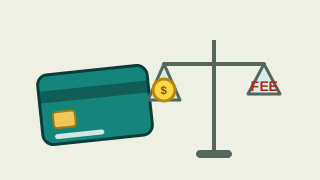
An annual fee is worth it only when the card earns you more, after the fee, than a no-fee card would. That sounds obvious, but card marketing is built to make you count benefits you'll never use.
The one-line test
Rewards you'll really earn + credits you'll really use − the fee > what a no-fee card pays you.
The comparison point matters. A no-fee card that pays a flat 2% back on everything is a common baseline. If a fee card can't beat that for your spending, it's costing you money.
Step by step
- Add up your real spending in the card's bonus categories (dining, groceries, travel, gas) and everything else. Use your last few statements, not a guess.
- Work out yearly rewards at a point value you'd actually get, often about 1 cent per point unless you transfer to travel partners.
- Add only the credits you'd use anyway. A $100 airline credit is worth $0 if you'd never have spent that money.
- Subtract the fee, then compare with a flat no-fee card on the same spending.
The credits trap
Premium cards often advertise "up to $X in value" from statement credits for specific merchants, streaming services, or travel. Those credits only count if they replace money you'd spend anyway. Many come with strings attached: monthly limits, specific merchants, or enrollment. If a credit pushes you to spend more just to "use it," it isn't saving you anything.
When a fee card usually wins
- You spend heavily in its bonus categories, like a lot of dining or groceries.
- You'd genuinely use most of its credits and perks.
- You travel enough to use lounge access, travel insurance, or transfer partners.
When a no-fee card usually wins
- Your spending is spread out with no big category.
- You don't want to track credits or learn a points program.
- You're building credit or might carry a balance.
Don't forget year two
A big sign-up bonus can make the first year look great. Judge the card on year two, when the bonus is gone and the fee still applies. Some issuers will offer a retention deal if you ask before closing, but don't count on it.
Quick answers
How do I know if an annual fee card is worth it?
Add up the rewards you'd realistically earn on your actual spending plus the credits you'd use anyway, subtract the fee, and compare the result with what a simple no-fee card would pay on the same spending.
Can I get an annual fee waived?
Some cards waive the fee in the first year, and some issuers offer retention bonuses or a downgrade to a no-fee card if you ask. It's never guaranteed, so judge the card as if you'll pay the full fee.
Should I cancel a card with an annual fee?
If it no longer earns more than it costs, consider downgrading to a no-fee version first. Closing your oldest card can lower your available credit and the average age of your accounts, which can affect your score.
Run your own numbers
Is a card's annual fee worth it for you?
Plug in your actual spending and see what a card would really earn after its fee, compared with a simple no-fee card.